Best Cervical Spondylosis Treatment in Chennai
More Treatments
Book a consultation
An assessment appointment with the knee care team.
Cervical Spondylosis Treatment in Chennai
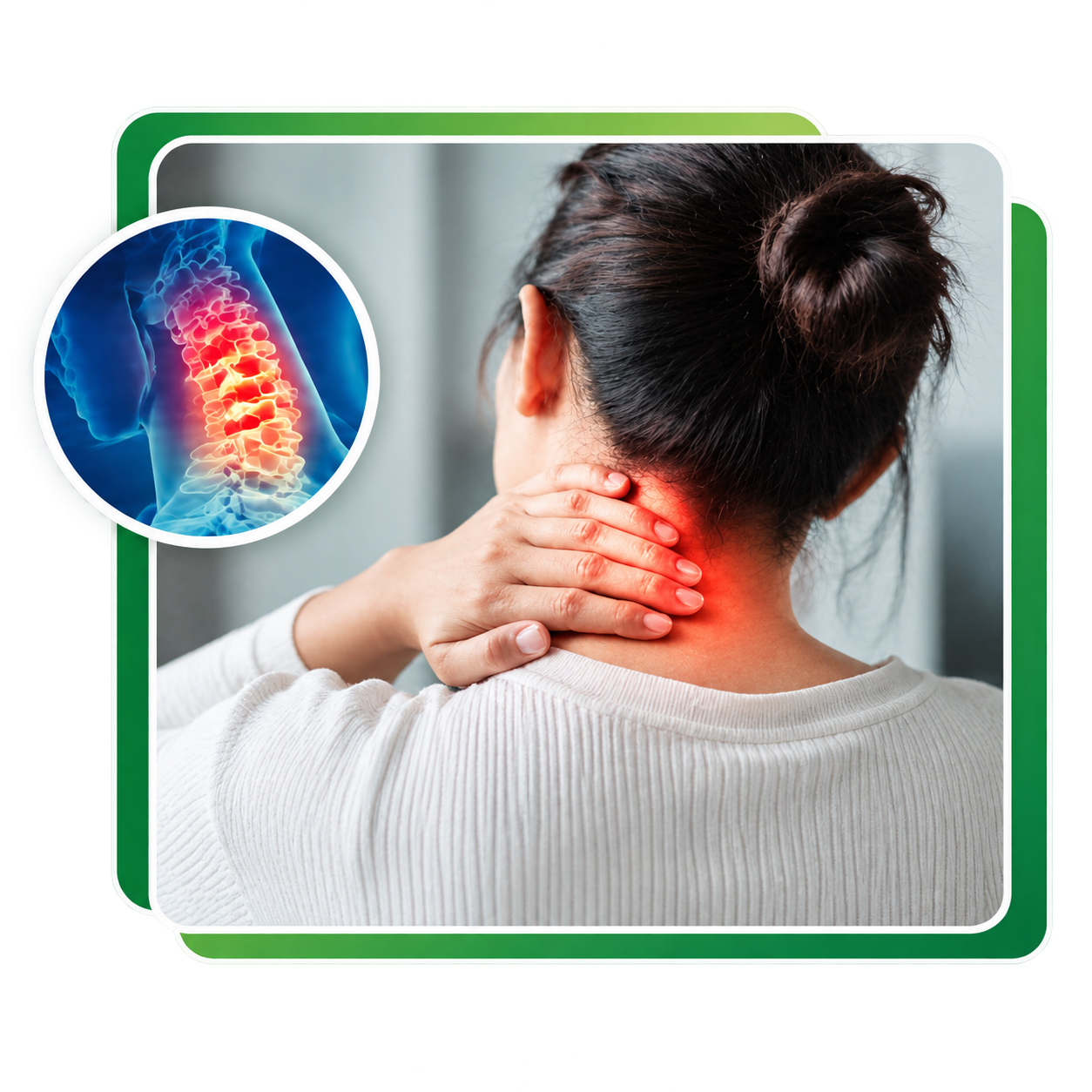
Cervical spondylosis is an age-related condition that affects the bones, discs, and joints of the cervical spine (neck). It develops due to gradual wear and tear of the spinal structures and may cause neck pain, stiffness, restricted neck movement, and discomfort extending to the shoulders and arms.
At Daisy Hospital, our approach to cervical spondylosis treatment in Chennai focuses on understanding each patient’s symptoms, spinal condition, mobility, and overall health. Our AYUSH integrated approach includes Ayurveda, Siddha, Naturopathy & Yoga, external therapies, therapeutic exercises, diet guidance, and supportive medical care as appropriate.
Our aim is to help patients manage neck discomfort, maintain cervical spine mobility, improve daily function, and support long-term neck and spinal health through personalized care and appropriate medical evaluation

What Causes Cervical Spondylosis?
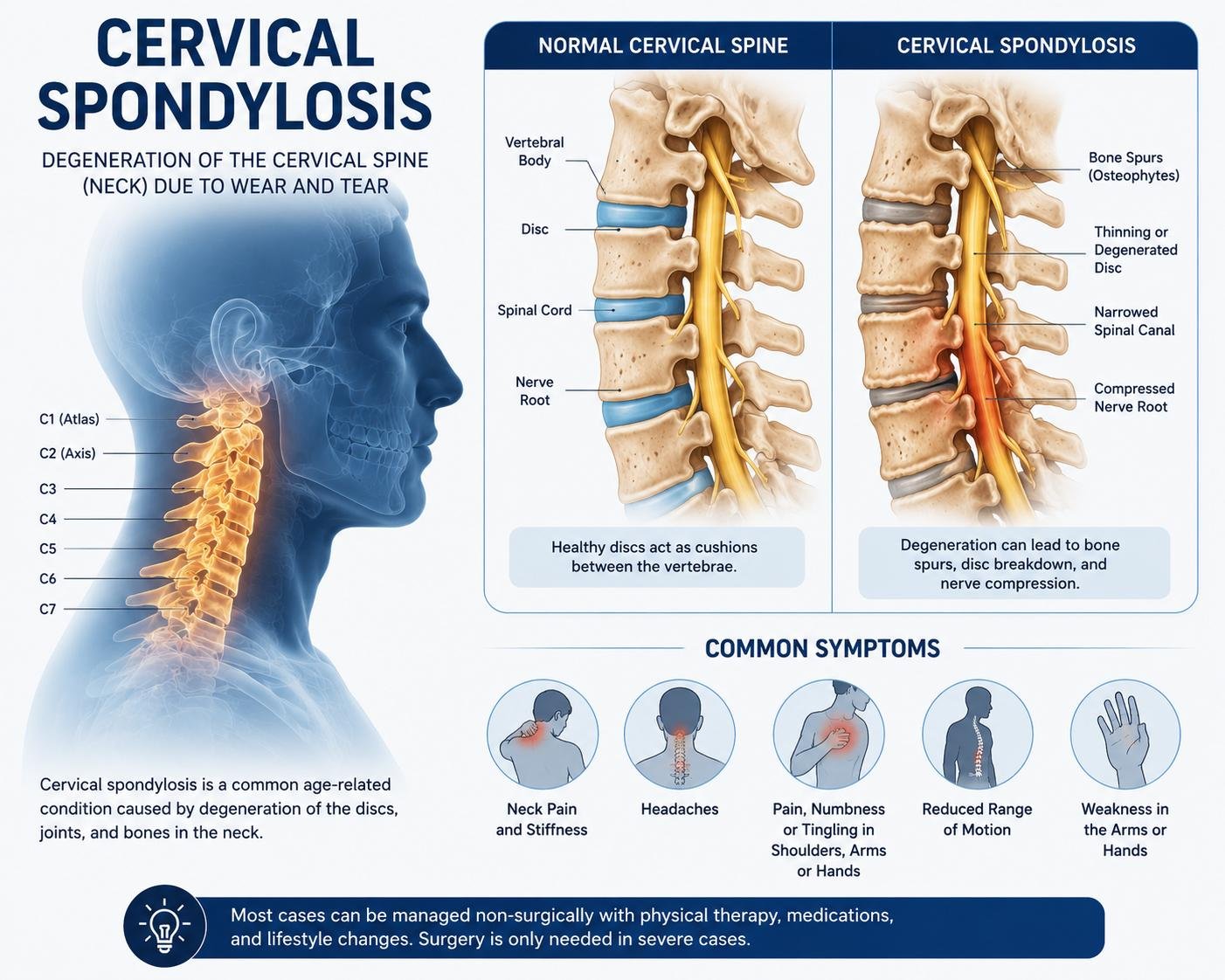
Cervical spondylosis develops mainly due to age-related changes in the spinal discs, joints, and bones of the neck. As the cervical spine undergoes gradual wear and tear, the discs may lose flexibility and height, while the surrounding joints and bones may develop degenerative changes.
These changes can sometimes narrow the spaces around the spinal nerves or spinal cord, leading to pain, numbness, tingling, or weakness.
Age-Related Degenerative Changes
Gradual wear and tear of cervical spinal discs
Loss of disc hydration and flexibility
Reduced height of intervertebral discs
Degeneration of cervical facet joints
Formation of bone spurs (osteophytes)
Lifestyle & Mechanical Factors
Prolonged sitting with poor neck posture
Repeated neck strain during daily activities
Frequent forward-head positioning while using mobile phones or computers
Previous neck injuries
Repetitive or physically demanding activities involving the neck
These factors may contribute to neck discomfort or aggravate existing cervical spine problems.
Risk Factors Include
Increasing age
Previous neck injuries
Family history of cervical spine degeneration
Smoking
Repetitive neck movements or sustained awkward postures
Occupations involving prolonged neck strain
What Are the Symptoms of Cervical Spondylosis?
Symptoms of cervical spondylosis may vary depending on the severity of spinal degeneration and whether nearby nerves or the spinal cord are affected.
Common symptoms include:
Neck pain and stiffness
Difficulty turning or bending the neck
Pain extending from the neck to the shoulders
Pain radiating into one or both arms
Headaches, particularly at the back of the head
Muscle tightness around the neck and shoulders
Tingling or numbness in the arms, hands, or fingers
Reduced flexibility and range of neck movement
Arm or hand weakness when nerves are affected
Difficulty performing daily activities due to neck discomfort
Some people may have cervical spondylosis without noticeable symptoms.
Important: Progressive weakness, difficulty walking, loss of balance, or new bladder or bowel control problems require urgent medical evaluation because they may indicate spinal cord involvement.
Conditions & Spine Problems Associated with Cervical Spondylosis
Cervical spondylosis may affect the cervical discs, spinal joints, nerve roots, and surrounding structures. Depending on the severity of these changes, patients may experience different neck-related and neurological problems.
Common problems associated with cervical spondylosis include:
Chronic neck pain and stiffness
Cervical disc degeneration
Cervical disc bulge or herniation
Cervical radiculopathy (pinched nerve in the neck)
Pain radiating into the shoulders and arms
Tingling or numbness in the hands and fingers
Cervical spinal canal narrowing (spinal stenosis)
Cervical myelopathy due to spinal cord compression
Reduced cervical spine flexibility
Difficulty performing daily activities
Not every person with cervical spondylosis develops these conditions. A clinical assessment helps determine the structures involved and the appropriate treatment plan
How Is Cervical Spondylosis Diagnosed?
Diagnosis begins with a detailed assessment of the patient’s symptoms, medical history, neck movements, and neurological function.
- Depending on the patient’s symptoms and examination findings, the doctor may recommend:
Physical examination
Assessment of neck flexibility and range of movement
Neurological examination
Muscle strength and reflex testing
Sensory examination of the arms and hands
Cervical spine X-ray
MRI scan of the cervical spine, when indicated
CT scan, when required
Nerve conduction studies or electromyography (EMG), in selected cases
An MRI may be recommended when there are signs of nerve or spinal cord compression, progressive neurological symptoms, or other concerning clinical findings.
Imaging is not necessary for every patient with neck pain. The doctor determines the appropriate investigations based on the clinical assessment.
What Can Be the Complications of Cervical Spondylosis?
Most people with cervical spondylosis do not develop serious neurological complications. However, progressive degenerative changes may sometimes compress nearby spinal nerves or the spinal cord.
Possible complications may include:
Persistent neck pain and stiffness
Reduced neck mobility
Chronic shoulder and arm pain
Cervical radiculopathy
Tingling or numbness in the arms and hands
Muscle weakness associated with nerve compression
Reduced hand grip strength
Difficulty performing fine hand movements
Cervical spinal stenosis
Cervical myelopathy due to spinal cord compression
Balance and walking difficulties in cases involving the spinal cord
Early clinical assessment is important when neurological symptoms appear or worsen.
What Is the Treatment for Cervical Spondylosis?
Treatment for cervical spondylosis depends on the severity of symptoms, the extent of spinal degeneration, the presence of nerve compression, and the patient’s overall health.Many patients can manage their symptoms with non-surgical treatment, including appropriate medical care, physiotherapy, exercise, and lifestyle modifications.
Medications
- Doctors may recommend suitable medications to help manage neck pain and inflammation.
- Medication selection depends on the patient’s symptoms, medical history, and other health conditions.
- Patients should use prescribed medicines as directed by their treating doctor.
Physical Therapy
Physiotherapy and appropriate exercises may help improve cervical spine mobility, strengthen the supporting muscles, and reduce mechanical strain.
A rehabilitation program may include:
Gentle neck mobility exercises
Cervical muscle strengthening
Shoulder and upper-back strengthening
Posture correction
Ergonomic guidance
Exercises should be selected according to the patient’s condition, particularly when nerve or spinal cord compression is suspected.
Physical Therapy Lifestyle Management
Daily habits and posture adjustments may help reduce neck strain and support long-term spinal health.
Recommended measures may include:
Maintaining a comfortable sitting posture
Adjusting computer screens to eye level
Taking regular breaks from prolonged sitting
Avoiding sustained forward-head positioning
Using appropriate neck support during sleep
Following a doctor-recommended exercise routine
Specialist Evaluation & Surgical Treatment
Patients with progressive neurological weakness, spinal cord compression, or severe symptoms that do not improve with appropriate conservative treatment may require evaluation by a spine specialist.
Surgery may be considered in selected cases, particularly when there is significant spinal cord or nerve compression.
Ayurvedic & Siddha Therapies for Cervical Spondylosis
At Daisy Hospital, selected Ayurvedic and Siddha therapies may be included as supportive care for cervical spondylosis based on the patient’s symptoms, spinal condition, and individual health requirements.
These therapies may support comfort, relaxation, and general musculoskeletal well-being. They should not replace necessary medical treatment for nerve or spinal cord compression.
1. Abhyangam Therapy
A traditional Ayurvedic oil massage using selected herbal oils. It may be used as supportive care to promote muscle relaxation and comfort around the neck and shoulders.
2. Kizhi Therapy
A traditional Ayurvedic therapy using warmed herbal poultices. It may help provide temporary relief from muscle tightness and promote relaxation around the neck and shoulders.
3. Greeva Vasti Therapy
A traditional Ayurvedic procedure involving the application of warm medicated oil over the neck region. It may be considered for supportive comfort and relaxation under professional supervision.
4. Varmam Therapy
A traditional Siddha manual therapy involving the application of controlled pressure to selected body points. It may be included as supportive care for musculoskeletal discomfort following individual assessment.
5. Pizhichil Therapy
A traditional Ayurvedic therapy involving the application of warm medicated oil. It may be used as part of a supportive relaxation and musculoskeletal wellness program.
6. Therapeutic Yoga
Condition-specific gentle yoga, breathing exercises, and guided movements may help support posture, muscular strength, flexibility, and general physical well-being.
Exercises should be selected according to the patient’s spinal condition and performed under appropriate professional guidance.
7. Diet & Lifestyle Guidance
Personalized dietary recommendations and lifestyle guidance are provided according to the patient’s individual health requirements, daily activities, and overall well-being.
Why Choose Daisy Hospital for Cervical Spondylosis Treatment in Chennai?
Daisy Hospital provides personalized care for patients experiencing cervical spondylosis, chronic neck pain, stiffness, shoulder discomfort, and related mobility difficulties. Our integrated approach brings together Ayurveda, Siddha, Naturopathy & Yoga with supportive medical care according to each patient’s condition.
Experienced Doctors
Our doctors assess neck pain, spinal condition, symptoms, mobility, and overall health before recommending an individualized care plan.
Personalized Treatment Plans
Every treatment plan is developed according to the patient’s symptoms, cervical spine condition, medical history, lifestyle, and individual health requirements.
AYUSH Integrated Care
Ayurveda, Siddha, Naturopathy, and Yoga may be included as part of an integrated supportive care approach alongside appropriate conventional medical evaluation and treatment.
External Therapy Facilities
Selected external therapies may be recommended according to the patient’s neck condition, symptoms, and individual treatment requirements.
Customized Diet Guidance
Personalized dietary recommendations are provided by our BNYS doctors according to individual health needs, nutritional requirements, and lifestyle.
Yoga & Posture Support
Gentle yoga, posture correction, therapeutic exercises, and lifestyle guidance may be included to support neck mobility, muscular strength, and daily function.
Diagnostic Support
Relevant clinical assessments and investigations may be recommended when required to evaluate the cervical spine and associated neurological symptoms.
Inpatient Facilities
Inpatient care facilities are available for patients who require hospital-based assessment, treatment, or monitoring according to their clinical needs.
Follow-Up Care
Regular follow-up helps monitor neck discomfort, mobility, neurological symptoms, and the patient’s response to the recommended treatment plan
Patient Recovery Stories – Cervical Spondylosis Care
The exact cause of rheumatoid arthritis is not completely understood. It develops when the immune system mistakenly attacks healthy tissues around the joints, causing persistent inflammation. A combination of genetic, environmental and lifestyle-related factors may contribute to the development of the condition
Start Your Cervical Spondylosis Care Journey
Consult the doctors at Daisy Hospital for a personalized assessment and treatment plan based on your neck pain, cervical spine condition, mobility, and overall health.
Frequently Asked Questions
Daisy Hospital provides personalized supportive care for cervical spondylosis through an integrated approach that may include Ayurveda, Siddha, Naturopathy & Yoga, selected external therapies, therapeutic exercises, posture correction, and lifestyle guidance. Appropriate medical evaluation and specialist referral are recommended when necessary.
Common symptoms include neck pain, stiffness, reduced neck movement, headaches, shoulder discomfort, and pain extending into the arms. Some patients may also experience tingling, numbness, or weakness in the hands and arms when nerves are affected.
Selected Ayurvedic therapies may be used as complementary care to support relaxation and manage musculoskeletal discomfort. However, evidence that these therapies reverse cervical spine degeneration or relieve significant nerve compression is insufficient. Treatment should be individualized following medical assessment.
Many patients can manage cervical spondylosis without surgery through appropriate medical care, physiotherapy, exercise, and lifestyle adjustments. Surgery may be considered for selected patients with significant spinal cord or nerve compression, progressive neurological weakness, or persistent severe symptoms despite appropriate treatment.
Treatment duration varies depending on the severity of symptoms, underlying spinal changes, neurological involvement, and the patient's response to treatment. Some people experience symptom improvement within a few weeks, while others may require longer-term rehabilitation and ongoing management.
Yes. Degenerative changes in the cervical spine may irritate or compress nearby nerves, causing pain that extends from the neck into the shoulders, arms, or hands. Tingling, numbness, or weakness may also occur when nerve roots are affected.
Gentle neck mobility exercises, posture correction, shoulder strengthening, and upper-back exercises may be recommended according to the patient's condition. Patients with arm weakness, balance problems, severe pain, or suspected spinal cord compression should obtain medical assessment before beginning a neck exercise program.
Consult a doctor if neck pain persists, frequently returns, limits daily activities, or is accompanied by arm pain, tingling, numbness, or weakness. Progressive weakness, difficulty walking, loss of balance, or new bladder or bowel control problems require urgent medical evaluation.
Yes. Daisy Hospital offers online consultations for patients seeking medical guidance, follow-up care, and suitable treatment recommendations. Patients with concerning neurological symptoms or conditions requiring a physical examination may need an in-person consultation.