
Best Female Infertility
Treatment in Chennai
Personalized Evaluation | Fertility Support | Women’s Wellness
More Treatments
Book a consultation
An assessment appointment with the knee care team.
Female Infertility Treatment in Chennai
Female infertility refers to difficulty becoming pregnant after a period of regular unprotected intercourse. Fertility can be affected by several factors, including ovulation problems, hormonal conditions, fallopian tube disorders, uterine conditions, age, lifestyle and other underlying health issues.
At Daisy Hospital, female infertility treatment in Chennai begins with a detailed evaluation of menstrual history, reproductive health, lifestyle, previous pregnancies, medical conditions and relevant investigations. Care is planned according to the possible cause of infertility and each woman’s individual health needs.
Our integrated approach may include medical evaluation, reproductive health assessment, diet and lifestyle guidance, Naturopathy & Yoga support, stress management and selected Ayurveda or Siddha supportive care where appropriate.
The aim is to identify possible contributing factors, support overall reproductive health and guide patients toward the most appropriate fertility care
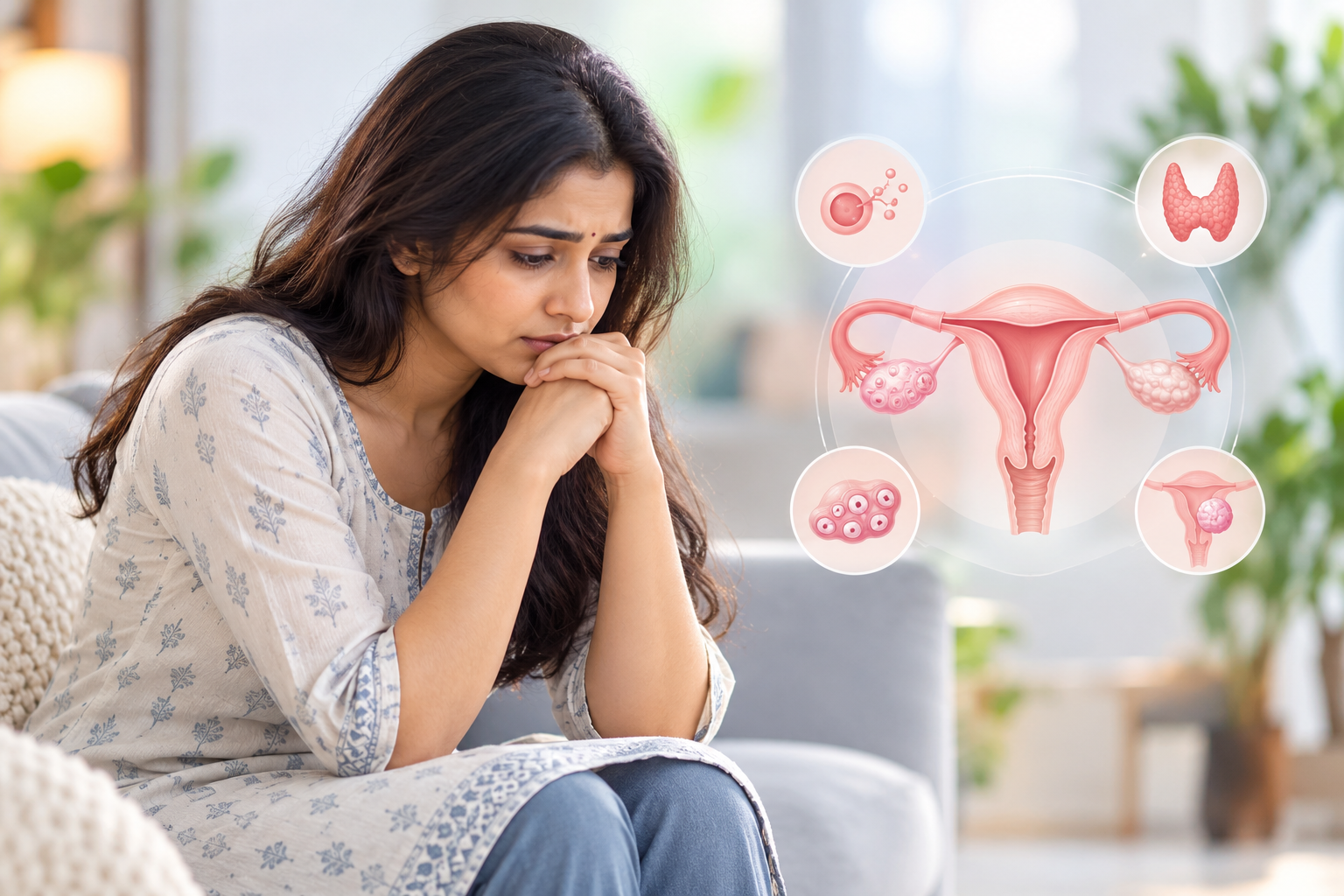
What Causes Female Infertility?
Female infertility may have one or more causes. In some cases, the cause may remain unexplained even after evaluation.
Ovulation & Hormonal Factors
- Polycystic ovary syndrome (PCOS)
- Irregular or absent ovulation
- Thyroid disorders
- High prolactin levels
- Reduced ovarian reserve
- Premature ovarian insufficiency
Fallopian Tube & Pelvic Factors
- Blocked or damaged fallopian tubes
- Previous pelvic infections
- Pelvic inflammatory disease
- Previous pelvic surgery
- Endometriosis
Uterine Factors
- Uterine fibroids
- Endometrial polyps
- Congenital uterine abnormalities
- Intrauterine adhesions in some cases
Age & Lifestyle Factors
- Increasing maternal age
- Excess or very low body weight
- Smoking
- Excess alcohol intake
- Poor sleep
- Severe stress
- Certain medications or medical conditions
What Are the Signs of Female Infertility?
The main sign of infertility is difficulty becoming pregnant. Some women may also have symptoms related to the underlying condition.
Possible signs may include:
- Irregular menstrual periods
- Absent periods
- Very painful periods
- Heavy menstrual bleeding
- Pelvic pain
- Symptoms associated with PCOS
- Unusual hormonal changes
- Previous recurrent pregnancy loss
- Difficulty conceiving despite regular unprotected intercourse
Many women with infertility may have regular periods and no obvious symptoms.
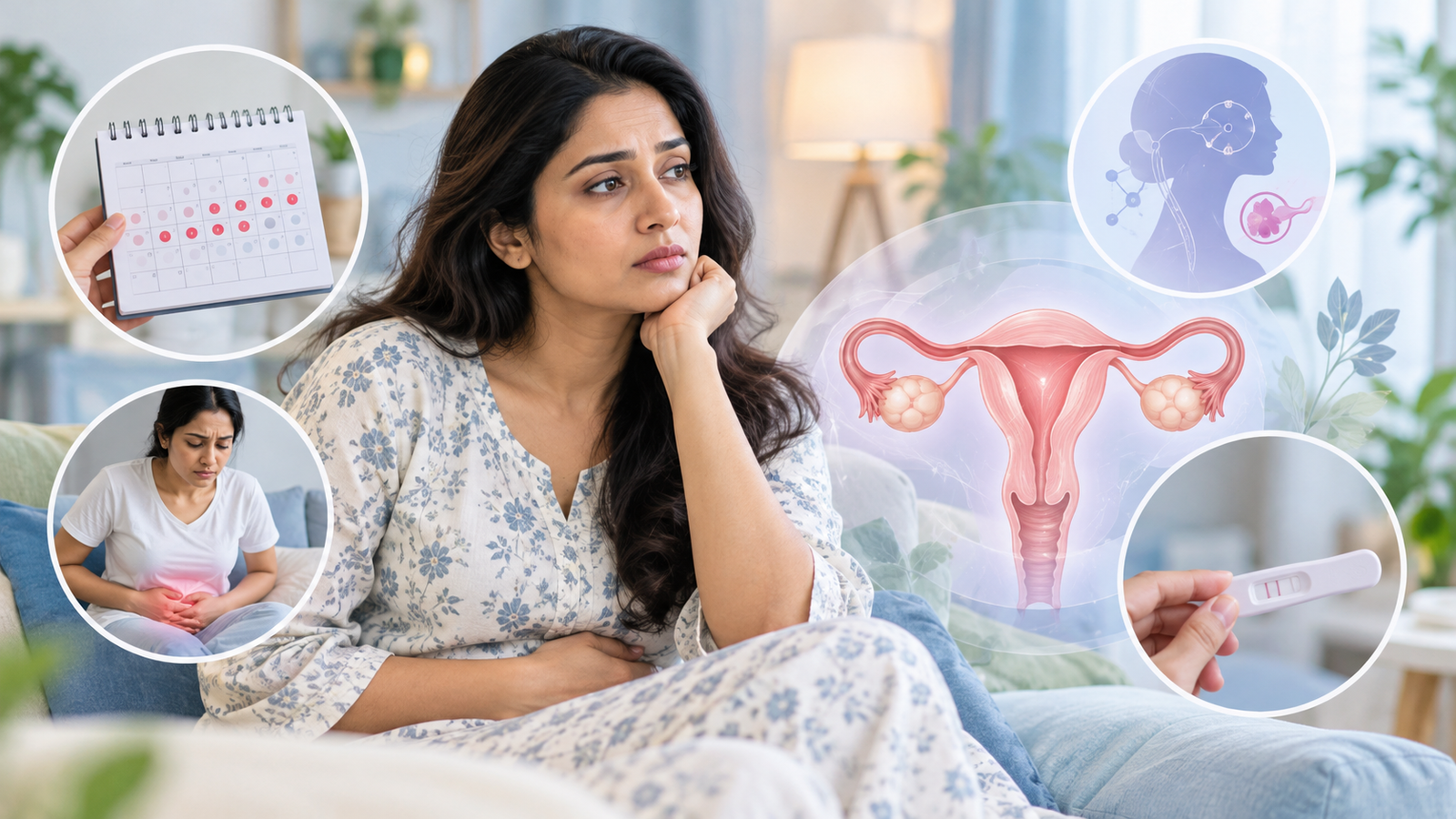
Conditions Associated with Female Infertility
Female infertility may be associated with several reproductive and hormonal conditions.
Common associated conditions include:
- PCOS
- Endometriosis
- Thyroid disorders
- Uterine fibroids
- Fallopian tube blockage
- Reduced ovarian reserve
- Premature ovarian insufficiency
- Hormonal imbalance
- Pelvic inflammatory disease
- Uterine polyps
- Ovulation disorders
- Recurrent pregnancy loss in selected cases
Proper evaluation is important because treatment depends on the underlying cause.
How Is Female Infertility Diagnosed?
Evaluation generally begins with a detailed reproductive and medical history.
Depending on the patient’s age, symptoms and history, investigations may include:
- Menstrual and ovulation history
- Physical examination
- Pelvic ultrasound
- Ovulation assessment
- Thyroid function tests
- Prolactin test
- AMH or ovarian reserve testing when indicated
- Other reproductive hormone tests
- Hysterosalpingography (HSG) to assess fallopian tubes when required
- Additional imaging or procedures based on clinical findings
Infertility evaluation usually includes assessment of both partners, because male and female factors can both contribute.
What Can Be the Impact of Female Infertility?
Infertility itself is not usually described in terms of “complications” like many diseases. However, the condition and its underlying causes may affect physical and emotional well-being.
Possible impacts may include:
- Emotional stress
- Anxiety related to fertility
- Relationship stress
- Reduced quality of life
- Delayed pregnancy planning
- Progression of underlying reproductive conditions
- Need for fertility procedures in selected cases
Supportive counselling and appropriate medical guidance can be helpful during the fertility journey.
What Is the Treatment for Female Infertility?
Treatment depends on the cause of infertility, age, ovarian reserve, duration of infertility, partner evaluation and overall reproductive health.
Treatment of Underlying Conditions
Care may focus on conditions such as:
- PCOS
- Thyroid disorders
- Endometriosis
- Uterine fibroids
- Hormonal abnormalities
- Ovulation disorders
Ovulation Treatment
Women with ovulation problems may require medications prescribed by a qualified fertility or gynecology specialist to support ovulation.
Surgical Treatment
Surgery may be recommended in selected cases, such as certain fibroids, polyps, endometriosis or other structural abnormalities
Fertility Procedures
Depending on the condition, patients may be referred for fertility procedures such as:
- IUI
- IVF
- ICSI
- Other assisted reproductive techniques
The appropriate option is decided by a fertility specialist based on the couple’s evaluation.
Lifestyle Management
Lifestyle support may include:
- Maintaining a healthy body weight
- Regular physical activity
- Balanced diet
- Adequate sleep
- Avoiding smoking
- Limiting alcohol
- Managing stress
- Tracking menstrual cycles when appropriate
Why Choose Daisy Hospital for Female Infertility Care in Chennai?
Daisy Hospital provides personalized care for women experiencing fertility concerns, menstrual irregularities, PCOS, hormonal problems and other reproductive health issues.
Our integrated approach combines appropriate medical evaluation with supportive Ayurveda, Siddha, Naturopathy & Yoga care based on individual requirements.
Experienced Doctors
Our doctors assess menstrual history, fertility concerns, medical conditions and overall reproductive health before planning care.
Personalized Care Plans
Each plan is developed according to age, symptoms, fertility history, investigations and individual health needs.
AYUSH Integrated Support
Ayurveda, Siddha, Naturopathy and Yoga may be included as supportive care where appropriate.
Customized Diet by BNYS Doctor
Personalized nutritional guidance may be provided according to PCOS, thyroid health, body weight and metabolic requirements.
Yoga & Stress Management
Gentle yoga, relaxation and breathing practices may help support emotional and physical well-being.
Diagnostic Support
Relevant blood tests, hormonal assessment, ultrasound and other investigations may be recommended when required.
Fertility Specialist Referral
Relevant clinical assessments and investigations may be recommended when required to evaluate the cervical spine and associated neurological symptoms.
Inpatient Facilities
Hospital-based care is available where clinically required.
Follow-Up Care
Regular follow-up helps review menstrual health, investigations, lifestyle changes and response to the recommended care plan.
Start Your Fertility Care Journey
Consult the doctors at Daisy Hospital for a personalized assessment based on your menstrual health, fertility history, hormonal condition, lifestyle and overall reproductive health.
Frequently Asked Questions
Female infertility refers to difficulty becoming pregnant due to factors affecting ovulation, fallopian tubes, uterus, ovarian reserve or other reproductive conditions.
Women under 35 are commonly advised to seek evaluation after around 12 months of regular unprotected intercourse without pregnancy. Women aged 35 or older are often advised to seek evaluation earlier, commonly after about 6 months. Earlier evaluation may also be appropriate for irregular periods, known reproductive conditions or other concerns.
PCOS can affect ovulation and may make conception more difficult in some women. Appropriate treatment depends on symptoms, metabolic health and fertility goals.
There is no reliable evidence that Ayurveda can reopen structurally blocked fallopian tubes. Appropriate medical evaluation and fertility specialist advice are important.
Yoga may support stress reduction, physical activity and general well-being, but it should not be promoted as a guaranteed method to improve fertility or achieve pregnancy.
Yes. Fertility problems may involve female factors, male factors or both, so evaluation of both partners is often important.