Best Hypertensio Treatment in Chennai
More Treatments
Book a consultation
An assessment appointment with the knee care team.
Hypertension Treatment in Chennai
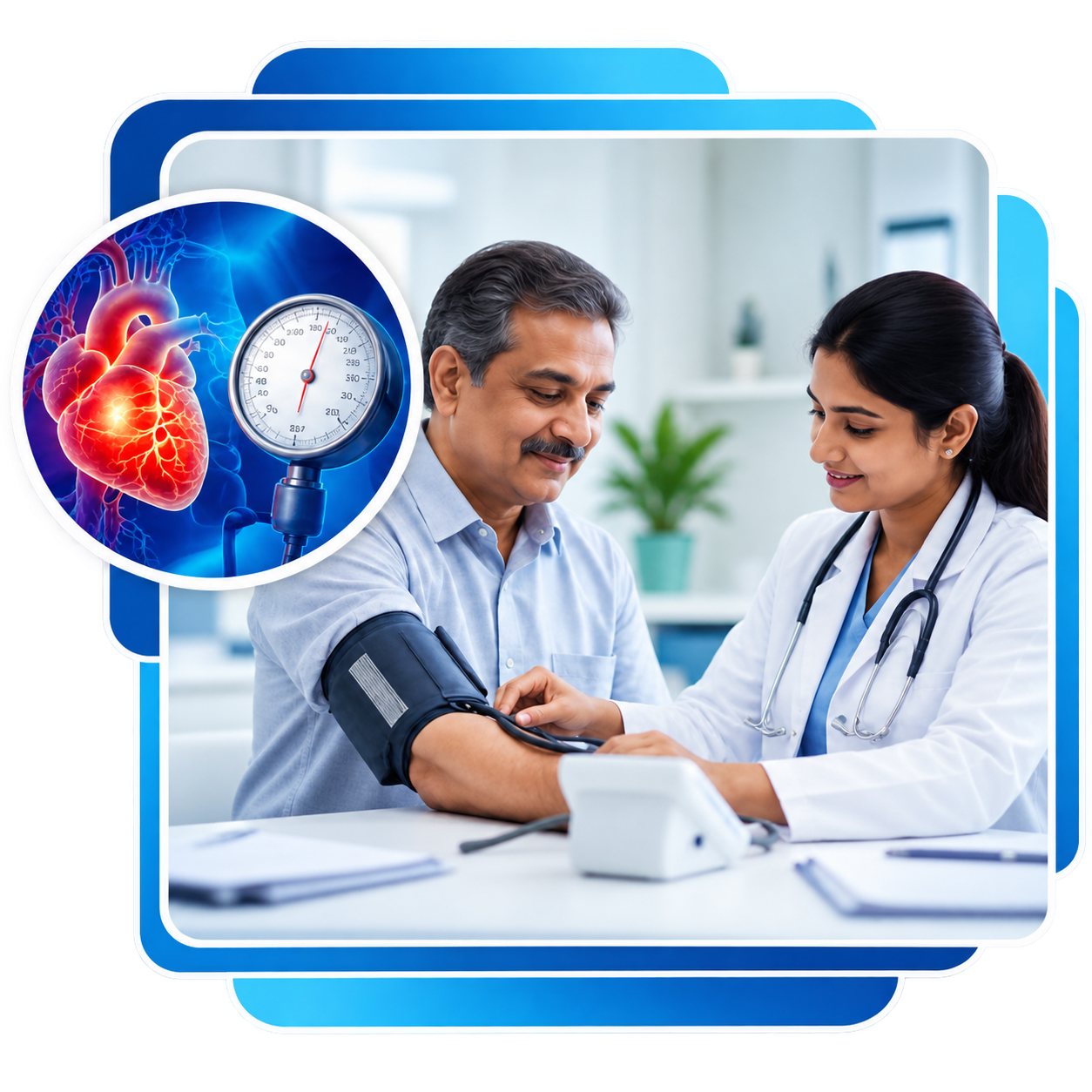
Hypertension, commonly known as high blood pressure, is a condition in which the pressure of blood against the walls of the arteries remains consistently elevated. It often develops without obvious symptoms, which is why regular blood pressure monitoring is important.
At Daisy Hospital, hypertension treatment in Chennai is planned according to each patient’s blood pressure readings, age, lifestyle, medical history and overall health. Our integrated approach may include medical evaluation, Ayurveda, Siddha, Naturopathy & Yoga, customized diet, lifestyle guidance, stress management and supportive medical care as appropriate.
The aim is to help patients maintain healthier blood pressure levels, reduce cardiovascular risk, improve lifestyle habits and support long-term heart, kidney and overall health.

What Causes Hypertension?
Hypertension can develop due to a combination of genetic, lifestyle, age-related and medical factors. In many people, there is no single identifiable cause. This is often called primary or essential hypertension.
Lifestyle & Environmental Factors
- High salt intake
- Low physical activity
- Excess body weight
- Smoking
- Excess alcohol intake
- Poor sleep
- Chronic stress
- Unhealthy dietary habits
Medical & Health-Related Factors
- Kidney disease
- Diabetes
- Thyroid disorders
- Certain hormonal disorders
- Sleep apnea
- Some medications
- Family history of hypertension
Risk Factors Include
- Increasing age
- Family history
- Obesity
- Sedentary lifestyle
- High-sodium diet
- Smoking
- Excess alcohol use
- Diabetes
- Chronic kidney disease
- Long-term stress
What Are the Symptoms of Hypertension?
Hypertension is often called a “silent” condition because many people do not experience noticeable symptoms.
When blood pressure becomes very high, some people may experience:
- Headache
- Dizziness
- Blurred vision
- Fatigue
- Shortness of breath
- Palpitations
- Chest discomfort
- Nosebleeds in some cases
However, symptoms are not a reliable way to diagnose hypertension. Blood pressure measurement is required.
Conditions Associated with Hypertension
Uncontrolled high blood pressure may gradually affect several organs in the body.
Conditions associated with hypertension may include:
- Coronary artery disease
- Heart failure
- Stroke
- Kidney disease
- Retinal damage
- Peripheral artery disease
- Left ventricular hypertrophy
- Cognitive decline
- Increased cardiovascular risk
Not every patient develops these complications, especially when blood pressure is detected and managed early.
How Is Hypertension Diagnosed?
Diagnosis is based primarily on repeated blood pressure measurements and overall clinical assessment.
Evaluation may include:
- Blood pressure measurement
- Repeat BP readings on different occasions
- Home blood pressure monitoring
- Ambulatory blood pressure monitoring when required
- Physical examination
- Blood sugar testing
- Kidney function tests
- Lipid profile
- Urine examination
- ECG
- Thyroid tests when indicated
- Other investigations based on medical history
A single high blood pressure reading does not always confirm hypertension. Repeated measurements are usually required unless the reading is extremely high or accompanied by concerning symptoms.
What Can Be the Complications of Hypertension?
If hypertension remains uncontrolled over time, it may damage blood vessels and major organs.
Possible complications include:
- Heart attack
- Stroke
- Heart failure
- Kidney damage
- Chronic kidney disease
- Vision problems
- Damage to blood vessels
- Aortic disease
- Memory and cognitive problems
The risk depends on how high the blood pressure is, how long it remains uncontrolled and the presence of other conditions such as diabetes or high cholesterol.
What Is the Treatment for Hypertension?
Treatment depends on blood pressure levels, age, associated medical conditions and overall cardiovascular risk. Management may include medication, diet, exercise, weight management, stress reduction and regular monitoring.
Medications
Doctors may prescribe antihypertensive medicines depending on the patient’s blood pressure and medical condition.
Patients should continue prescribed medicines as advised and should not stop or change them without consulting the treating doctor.
Diet Management
Diet plays an important role in blood pressure management.
Patients may be advised to:
- Reduce salt intake
- Limit processed foods
- Increase vegetables and fruits
- Include suitable whole grains
- Maintain balanced nutrition
- Reduce excess saturated fat
- Maintain adequate hydration
Physical Activity
Regular doctor-approved physical activity may help support cardiovascular health and blood pressure control.
Activities may include:
- Walking
- Light aerobic exercise
- Gentle strengthening
- Yoga
- Breathing exercises
Lifestyle Management
Healthy lifestyle changes may include:
- Maintaining a healthy body weight
- Avoiding smoking
- Limiting alcohol
- Improving sleep
- Managing stress
- Monitoring blood pressure regularly
- Taking medications consistently
Ayurveda, Siddha, Naturopathy & Yoga Support for Hypertension
At Daisy Hospital, selected AYUSH-based therapies may be used as supportive care alongside appropriate medical management.
These approaches should not replace prescribed antihypertensive medication unless a qualified treating doctor specifically changes the medication plan.
Therapeutic Yoga
Condition-specific yoga and guided movement may help support relaxation, flexibility, breathing and general cardiovascular wellness.
Pranayama & Breathing Practices
Controlled breathing exercises may support relaxation and stress management when practiced appropriately.
Meditation & Stress Management
Meditation and relaxation practices may be included to help reduce stress and support healthy lifestyle routines.
Customized Diet Guidance
Diet plans may be personalized according to blood pressure, body weight, diabetes, kidney function and other health requirements.
Naturopathy Support
Lifestyle-oriented naturopathy approaches may focus on physical activity, sleep, stress reduction and healthy eating habits
Ayurvedic & Siddha Supportive Care
Selected traditional therapies or medicines may be considered after medical assessment and according to individual health needs.
Diet & Lifestyle Guidance
Personalized diet and lifestyle guidance is provided based on blood pressure, health needs, daily routine, and overall well-being.
Why Choose Daisy Hospital for Hypertension Treatment in Chennai?
Daisy Hospital provides personalized care for patients with high blood pressure and associated lifestyle or metabolic health concerns. Our integrated approach combines medical evaluation with Ayurveda, Siddha, Naturopathy & Yoga support according to the patient’s condition.
Experienced Doctors
Our doctors assess blood pressure readings, medical history, lifestyle and associated health conditions before planning care.
Personalized Treatment Plans
Care plans are tailored according to blood pressure level, age, body weight, diet, stress and medical history.
AYUSH Integrated Care
Ayurveda, Siddha, Naturopathy and Yoga may be included as supportive care along with appropriate medical management.
Customized Diet by BNYS Doctor
Personalized diet guidance may be provided according to blood pressure, metabolic health and individual requirements.
Yoga & Stress Management
Gentle yoga, breathing exercises and relaxation practices may be recommended where appropriate.
Diagnostic Support
Blood tests, ECG and other investigations may be recommended when clinically required.
Regular BP Monitoring
Follow-up blood pressure measurements help assess response to treatment and lifestyle changes.
Inpatient Facility
Hospital-based care may be available when closer observation or treatment is required.
Follow-Up Care
Regular follow-up helps monitor blood pressure levels, lifestyle progress, overall health, and the patient’s response to the recommended treatment plan.
Patient Recovery Stories – Hypertension Care
Watch patient experience videos to understand individual journeys involving high blood pressure, lifestyle management, diet guidance and integrated care at Daisy Hospital. Patients may share their experiences with medical consultation, monitoring, AYUSH support, diet changes and lifestyle guidance.
Start Your Hypertension Care Journey
Consult the doctors at Daisy Hospital for a personalized assessment and treatment plan based on your blood pressure readings, lifestyle, medical history and overall health.
Frequently Asked Questions
Daisy Hospital provides personalized supportive care for cervical spondylosis through an integrated approach that may include Ayurveda, Siddha, Naturopathy & Yoga, selected external therapies, therapeutic exercises, posture correction, and lifestyle guidance. Appropriate medical evaluation and specialist referral are recommended when necessary.
Common symptoms include neck pain, stiffness, reduced neck movement, headaches, shoulder discomfort, and pain extending into the arms. Some patients may also experience tingling, numbness, or weakness in the hands and arms when nerves are affected.
Selected Ayurvedic therapies may be used as complementary care to support relaxation and manage musculoskeletal discomfort. However, evidence that these therapies reverse cervical spine degeneration or relieve significant nerve compression is insufficient. Treatment should be individualized following medical assessment.
Many patients can manage cervical spondylosis without surgery through appropriate medical care, physiotherapy, exercise, and lifestyle adjustments. Surgery may be considered for selected patients with significant spinal cord or nerve compression, progressive neurological weakness, or persistent severe symptoms despite appropriate treatment.
Treatment duration varies depending on the severity of symptoms, underlying spinal changes, neurological involvement, and the patient's response to treatment. Some people experience symptom improvement within a few weeks, while others may require longer-term rehabilitation and ongoing management.
Yes. Degenerative changes in the cervical spine may irritate or compress nearby nerves, causing pain that extends from the neck into the shoulders, arms, or hands. Tingling, numbness, or weakness may also occur when nerve roots are affected.
Gentle neck mobility exercises, posture correction, shoulder strengthening, and upper-back exercises may be recommended according to the patient's condition. Patients with arm weakness, balance problems, severe pain, or suspected spinal cord compression should obtain medical assessment before beginning a neck exercise program.
Consult a doctor if neck pain persists, frequently returns, limits daily activities, or is accompanied by arm pain, tingling, numbness, or weakness. Progressive weakness, difficulty walking, loss of balance, or new bladder or bowel control problems require urgent medical evaluation.
Yes. Daisy Hospital offers online consultations for patients seeking medical guidance, follow-up care, and suitable treatment recommendations. Patients with concerning neurological symptoms or conditions requiring a physical examination may need an in-person consultation.